1. Search Result
Search Result
Results for "

trpa

" in MedChemExpress (MCE) Product Catalog:

91

Inhibitors & Agonists

3

Peptides

22

Natural
Products

2

Recombinant Proteins

3

Isotope-Labeled Compounds

2

Antibodies

4

Oligonucleotides

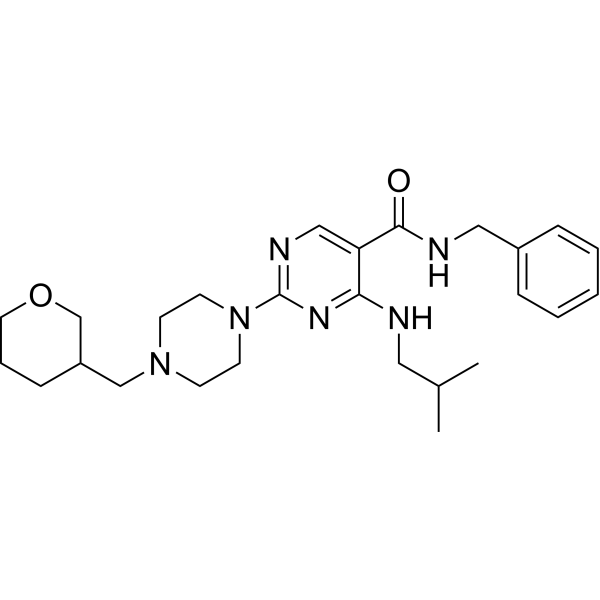
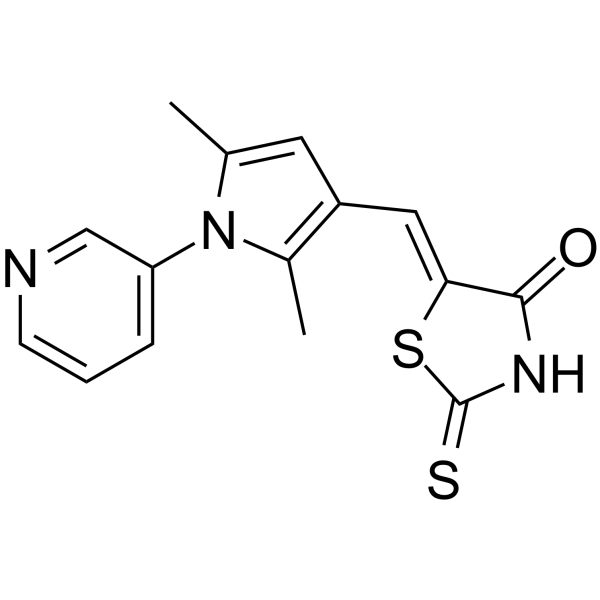
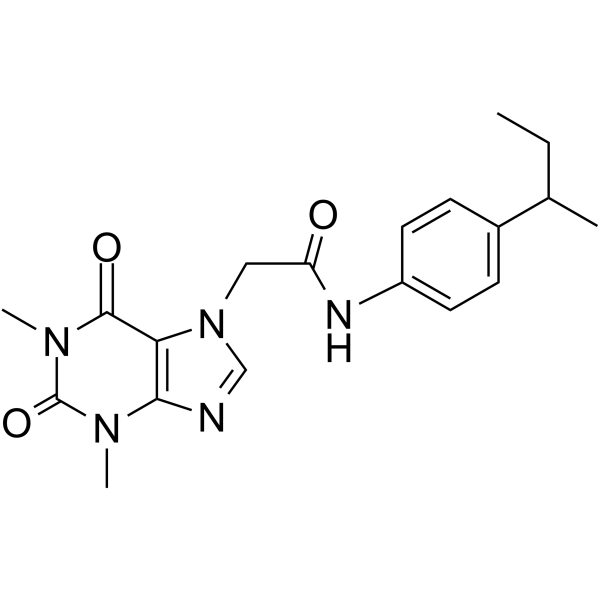
Cat. No. Product Name Target Research Areas Chemical Structure
  • HY-100965
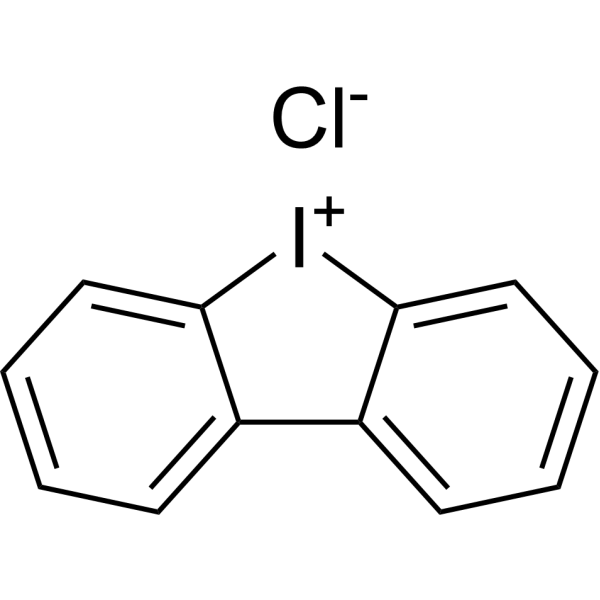
    Diphenyleneiodonium chloride
    Maximum Cited Publications
    59 Publications Verification

    DPI

    TRP Channel NADPH Oxidase Reactive Oxygen Species (ROS) Neurological Disease Inflammation/Immunology
    Diphenyleneiodonium chloride is a NADPH oxidase (NOX) inhibitor and also functions as a TRPA1 activator with an EC50 of 1 to 3 μM. Diphenyleneiodonium chloride selectively inhibits intracellular reactive oxygen species.
    Diphenyleneiodonium chloride
  • HY-153169
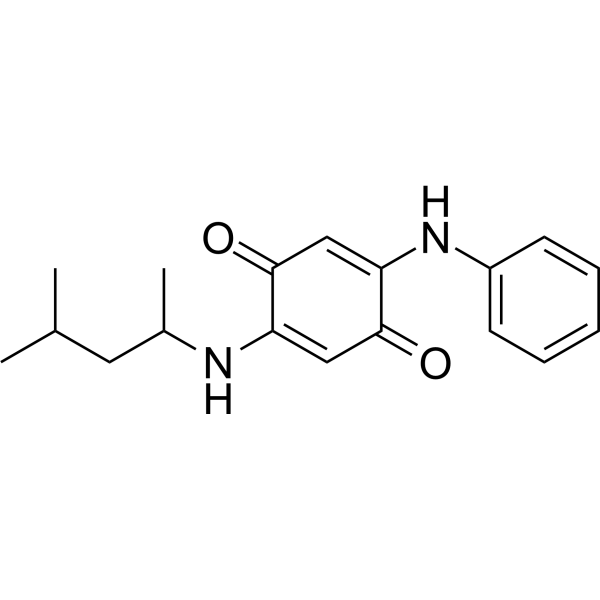
    6PPD-Q
    Maximum Cited Publications
    7 Publications Verification

    6PPD-Quinone

    α-synuclein Environmental Pollutants Others
    6PPD-Q (6PPD-Quinone) is an environmental pollutant that can be detected in human urine and is widely present in the environment. 6PPD-Q targets and binds to CNR2, CNR1, AA2AR, LCAT, and TRPA1, with CNR2 exhibiting the highest binding affinity, potentially acting as a CNR2 receptor agonist to activate cannabinoid receptors. 6PPD-Q induces intestinal inflammation and barrier damage by disrupting mitochondrial function, reducing neuronal glycolysis metabolites and TCA cycle intermediates, and exacerbating α-synuclein (α-syn) aggregation. 6PPD-Q is applicable in research on environmental toxicology, neurodegenerative diseases, and inflammation-related disorders .
    6PPD-Q
  • HY-15064
    HC-030031
    35+ Cited Publications

    TRP Channel Neurological Disease
    HC-030031 is a potent and selective TRPA1 inhibitor, which antagonizes AITC- and formalin-evoked calcium influx with IC50s of 6.2±0.2 and 5.3±0.2 μM, respectively.
    HC-030031
  • HY-N6825
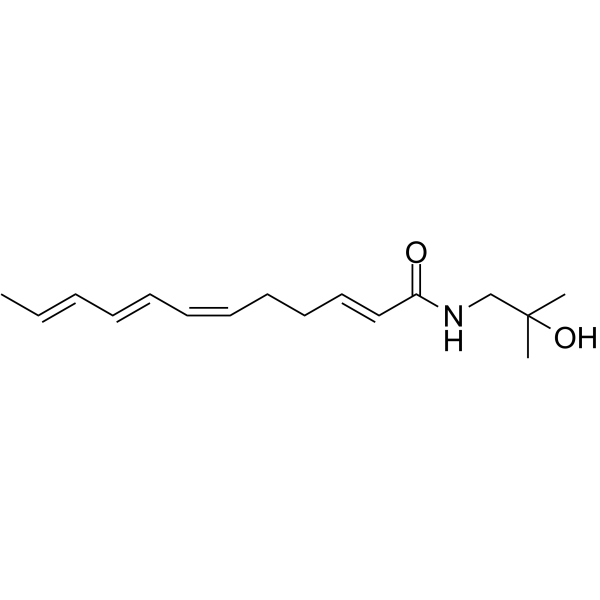
    Hydroxy-α-sanshool
    3 Publications Verification

    TRP Channel Endogenous Metabolite Neurological Disease
    Hydroxy-α-sanshool is a transient receptor potential ankyrin 1 (TRPA1) and TRP vanilloid 1 (TRPV1) agonist with EC50s of 69 and 1.1 μM, respectively. Hydroxy-α-sanshool can be used for pain research .
    Hydroxy-α-sanshool
  • HY-109061
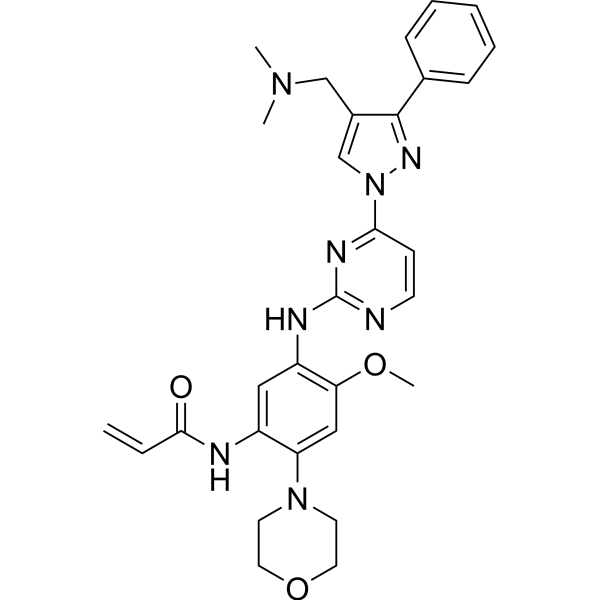
    Lazertinib
    3 Publications Verification

    YH25448; GNS-1480

    Apoptosis Akt TRP Channel EGFR ERK Infection Neurological Disease Metabolic Disease Cancer
    Lazertinib (YH25448; GNS-1480) is an orally active, blood-brain barrier permeable third-generation EGFR tyrosine kinase inhibitor, as well as an ABCB1/ABCG2 inhibitor and a TRPA1 activator. Lazertinib exhibits IC50 values of 0.4 mM and 0.2 mM against human ABCB1 and ABCG2, respectively. By inhibiting mutant EGFR signaling, EGFR phosphorylation and the downstream ERK/AKT pathway, as well as upregulating surface expression of EGFR/MET, Lazertinib induces cell cycle arrest, apoptosis, spontaneous calcium responses, hyperexcitability of dorsal root ganglion (DRG) neurons, and TRPA1-dependent pain-like behaviors. Lazertinib competitively binds to the substrate-binding sites of ABCB1/ABCG2, stimulates their ATPase activity without altering their expression or plasma membrane localization, thereby enhancing ADCC activity, acting as a chemosensitizer, and reversing ABCB1-mediated multidrug resistance. It exerts antitumor activity as a single agent or in combination with other drugs. Lazertinib is applicable to research related to non-small cell lung cancer, multidrug-resistant cancers, and paresthesia .
    Lazertinib
  • HY-N6810
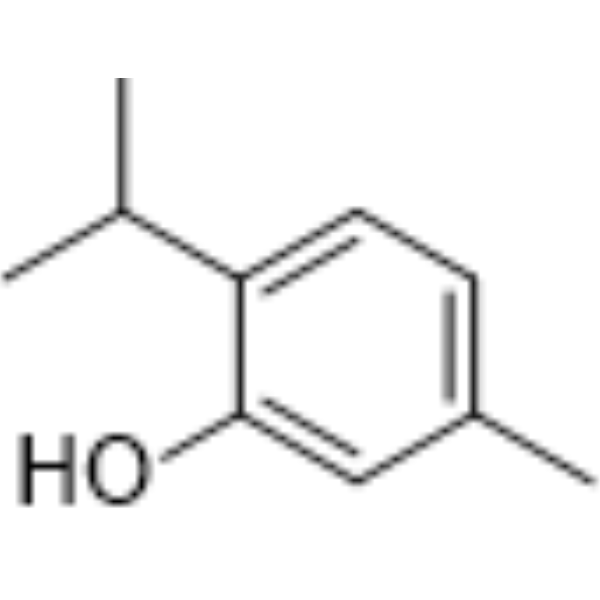
    Thymol
    4 Publications Verification

    Environmental Pollutants Apoptosis Bacterial Fungal Infection Inflammation/Immunology Cancer
    Thymol is a TRPA1 agonist. Thymol induces cancer cell apoptosis. Thymol is the main monoterpene phenol occurring in essential oils isolated from plants belonging to the Lamiaceae family, and other plants such as those belonging to the Verbenaceae, Scrophulariaceae, Ranunculaceae and Apiaceae families. Thymol has antioxidant, anti-inflammatory, antibacterial and antifungal effects .
    Thymol
  • HY-121636
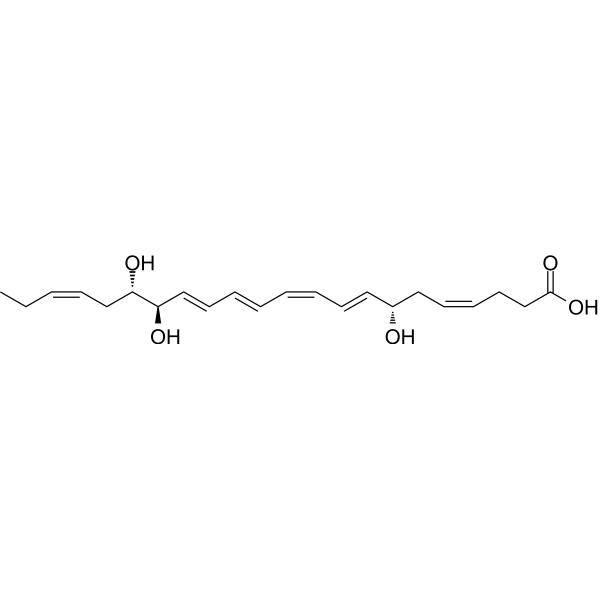
    Resolvin D2
    5 Publications Verification

    RvD2

    TRP Channel Infection Neurological Disease Inflammation/Immunology
    Resolvin D2 is a metabolite of docosahexaenoic acid (DHA), with anti-inflammatory, anti-infective activities. Resolvin D2 is a potent regulator of leukocytes and controls microbial sepsis. Resolvin D2 is a remarkably potent inhibitor of TRPV1 (IC50 = 0.1 nM) and TRPA1 (IC50 = 2 nM) in primary sensory neurons .
    Resolvin D2
  • HY-108463
    A-967079
    15+ Cited Publications

    TRP Channel Neurological Disease Inflammation/Immunology
    A-967079 is a selective TRPA1 receptor antagonist with IC50s of 67 nM and 289 nM at human and rat TRPA1 receptors, respectively, and has good penetration into the blood-brain barrier .
    A-967079
  • HY-135013

    TRP Channel Neurological Disease
    Umbellulone is an active constituent of the leaves of Umbellularia californica. Umbellulone stimulates the TRPA1 channel in a subset of peptidergic, nociceptive neurons, activating the trigeminovascular system via this mechanism .
    Umbellulone
  • HY-101507
    Zerencotrep
    10+ Cited Publications

    Pico145; HC-608

    TRP Channel Cancer
    Pico145 (HC-608) is a remarkable inhibitor of TRPC1/4/5 channels, inhibits (-)-englerin A-activated TRPC4/TRPC5 channels, with IC50s of 0.349 and 1.3 nM in cells, and shows no effect on TRPC3, TRPC6, TRPV1, TRPV4, TRPA1, TRPM2, TRPM8 .
    Zerencotrep
  • HY-165559

    TRP Channel Inflammation/Immunology
    Trpvicin is a potent and subtype-selective TRPV3 inhibitor with IC50s of 0.41 and 0.22 μM for hTRPV3-WT and hTRPV3-G573S mutant, respectively. Trpvicin exhibits minimal effects on other TRP family members (such as TRPV1/2/4/5/6, TRPA1 and TRPM8). Trpvicin inhibits the TRPV3 channel by stabilizing it in a closed state via VSLD-PD binding. Trpvicin accesses additional binding sites inside the central cavity of the G573S mutant to remodel symmetry and block the channel. Trpvicin inhibits itch and hair loss in mouse models. Trpvicin can be used for study of inflammation and immunology .
    Trpvicin
  • HY-18662
    RQ-00203078
    5+ Cited Publications

    TRP Channel Neurological Disease Cancer
    RQ-00203078 is a highly selective, potent and orally active TRPM8 antagonist with IC50s of 5.3 nM and 8.3 nM for rat and human TRPM8 channels, respectively. RQ-00203078 shows little inhibitory action against TRPV1, TRPA1, TRPV4, or TRPM2 channels .
    RQ-00203078
  • HY-111132
    JT010
    3 Publications Verification

    TRP Channel Cardiovascular Disease
    JT010 is a covalent and site-selective TRPA1 agonist. JT010 can be used in myocardial infarction research .
    JT010
  • HY-N10319

    Epigenetic Reader Domain Necroptosis TRP Channel Metabolic Disease Inflammation/Immunology Cancer
    Artepillin C is an orally active CREB/CRTC2 inhibitor and TRPA1 covalent agonist (EC50=1.8 μM). Artepillin C inhibits CREB/CRTC2-mediated gene transcription and downregulates BMAL1 expression to regulate glucose and lipid metabolism. Artepillin C can also activate TRPA1 channels to induce spicy taste signals. Artepillin C can inhibit tumor cell proliferation, induce necroptosis, improve insulin resistance and inhibit liver lipid synthesis. Artepillin C can be used in the study of metabolic syndrome, tumor prevention and treatment, and inflammation .
    Artepillin C
  • HY-109061B
    Lazertinib mesylate
    3 Publications Verification

    YH25448 mesylate; GNS-1480 mesylate

    TRP Channel EGFR Akt ERK Apoptosis Cancer
    Lazertinib (YH25448; GNS-1480) mesylate is an orally active, blood-brain barrier permeable third-generation EGFR tyrosine kinase inhibitor, as well as an ABCB1/ABCG2 inhibitor and a TRPA1 activator. Lazertinib mesylate exhibits IC50 values of 0.4 mM and 0.2 mM against human ABCB1 and ABCG2, respectively. By inhibiting mutant EGFR signaling, EGFR phosphorylation and the downstream ERK/AKT pathway, as well as upregulating surface expression of EGFR/MET, Lazertinib mesylate induces cell cycle arrest, apoptosis, spontaneous calcium responses, hyperexcitability of dorsal root ganglion (DRG) neurons, and TRPA1-dependent pain-like behaviors. Lazertinib mesylate competitively binds to the substrate-binding sites of ABCB1/ABCG2, stimulates their ATPase activity without altering their expression or plasma membrane localization, thereby enhancing ADCC activity, acting as a chemosensitizer, and reversing ABCB1-mediated multidrug resistance. It exerts antitumor activity as a single agent or in combination with other drugs. Lazertinib mesylate is applicable to research related to non-small cell lung cancer, multidrug-resistant cancers, and paresthesia .
    Lazertinib mesylate
  • HY-N8264
    Moringin
    1 Publications Verification

    TRP Channel Neurological Disease Inflammation/Immunology Cancer
    Moringin is a potent and selective TRPA1 ion channel natural agonist with an EC50 of 3.14 μM. Moringin does not activate or activates very weakly the vanilloids somatosensory channels TRPV1, TRPV2, TRPV3 and TRPV4, and the melastatin cooling receptor TRPM8. Moringin has hypoglycemic, antimicrobial, anti-inflammatory, anticancer and neuroprotection activities .
    Moringin
  • HY-107436
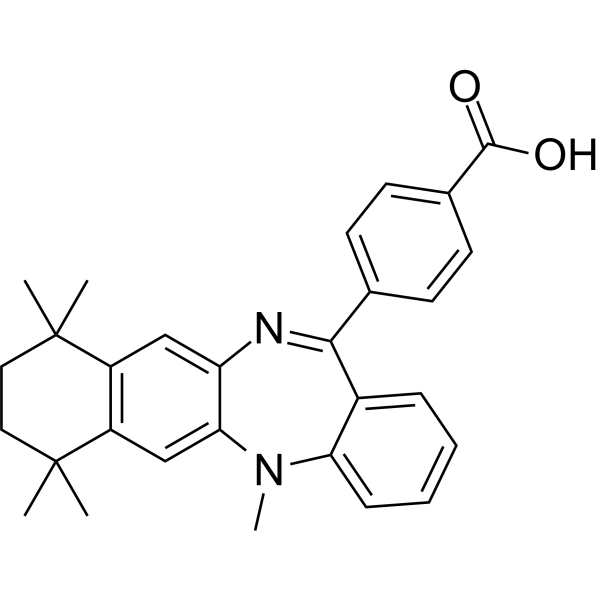
    LE135
    4 Publications Verification

    RAR/RXR TRP Channel Neurological Disease Cancer
    LE135 is a potent RAR antagonist that binds selectively to RARα (Ki of 1.4 μM) and RARβ (Ki of 220 nM), and has a higher affinity to RARβ. LE135 is highly selective over RARγ, RXRα, RXRβ and RXRγ. LE135 is also a potent TRPV1 and TRPA1 receptors activator with EC50s of 2.5 μM and 20 μM, respectively .
    LE135
  • HY-120689
    PF-04745637
    1 Publications Verification

    TRP Channel Inflammation/Immunology
    PF-04745637 is a potent and selective TRPA1 antagonist with an IC50 of 17 nM for human TRPA1 .
    PF-04745637
  • HY-18779
    PF-4840154
    1 Publications Verification

    TRP Channel Inflammation/Immunology
    PF-4840154 is a potent, selective agonist of the rat and human TrpA1 channel with EC50s of 97 and 23 nM, respectively. PF-4840154 elicits TrpA1-mediated nocifensive behaviour in mouse .
    PF-4840154
  • HY-12809
    Optovin
    1 Publications Verification

    TRP Channel Neurological Disease
    Optovin is a reversible photoactivated TRPA1 ligand that enables light-mediated neuronal excitation. Optovin activates TRPA1 via structure-dependent photochemical reactions with redox-sensitive cysteine residues .
    Optovin
  • HY-15065
    Chembridge-5861528
    1 Publications Verification

    TCS 5861528

    TRP Channel Neurological Disease Metabolic Disease Inflammation/Immunology
    Chembridge-5861528 (TCS 5861528) is a potent TRPA1 channel antagonist that antagonizes similarly allyl isothiocyanate- and 4-HNE-evoked TRPA1 responses, with IC50 values of 14.3 μM and 18.7 μM, respectively. Chembridge-5861528 shows antihypersensitivity activities .
    Chembridge-5861528
  • HY-W002116

    TRP Channel COX Phosphatase Bacterial Infection Metabolic Disease Inflammation/Immunology Cancer
    Methyl syringate is a selective TRPA1 agonist. Methyl syringate regulates food intake and gastric emptying through a TRPA1-mediated pathway. Methyl syringate is an efficient phenolic mediator for bacterial and fungal laccases. Methyl syringate is a chemical marker of Asphodel monofloral honey. Methyl syringate contributes to the antibacterial activity of honey. Methyl syringate inhibits aflatoxin production. Methyl syringate can contribute to weight suppression. Methyl syringate can be studies for cancer prevention (e.g. lung cancer), suppression of hypoxia-induced inflammatory response and tumorigenesis .
    Methyl syringate
  • HY-171846

    TRP Channel Neurological Disease Inflammation/Immunology
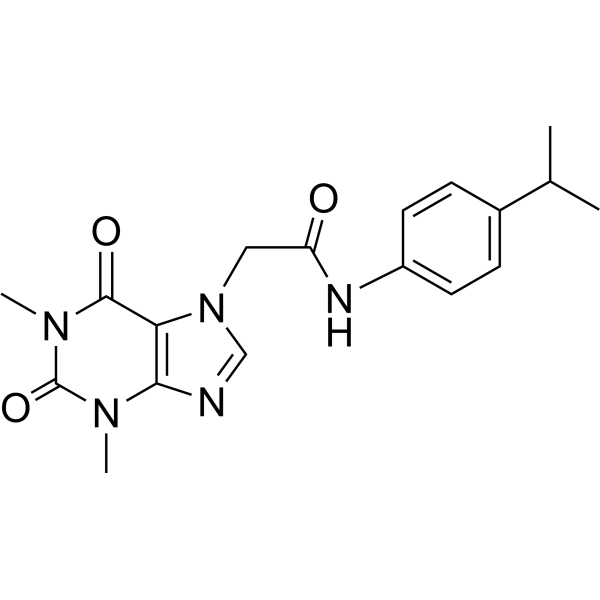
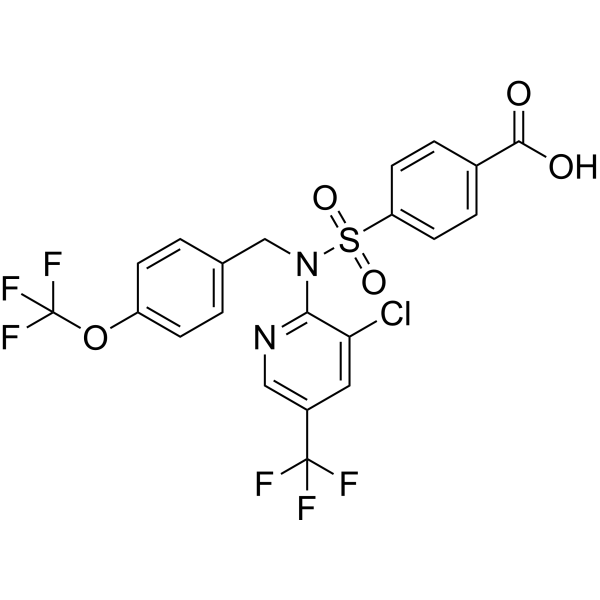
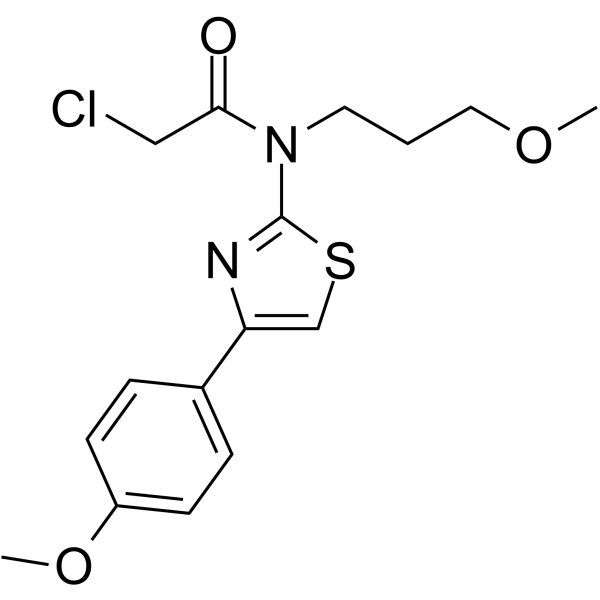
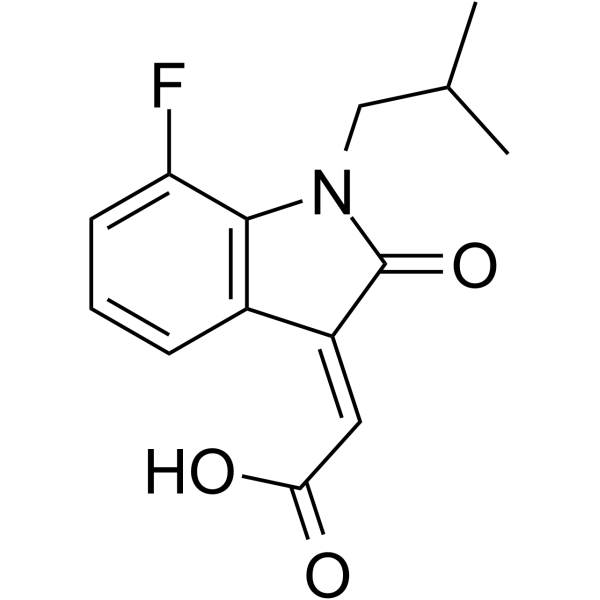
    LY3526318 is an orally active, selective TRPA1 antagonist (IC50=5-6μM). LY3526318 blocks TRPA1 channels, inhibits pain signal transduction mediated by the channel, and exerts analgesic activity. LY3526318 is mainly used in the research of chronic pain-related fields, such as diabetic peripheral neuropathy, chronic low back pain, and pain caused by osteoarthritis .
    LY3526318
  • HY-101907
    ASP7663
    2 Publications Verification

    TRP Channel Neurological Disease
    ASP7663 is an orally active and selective TRPA1 agonist. ASP7663 exerts both anti-constipation and anti-abdominal pain actions .
    ASP7663
  • HY-B1177

    Environmental Pollutants TRP Channel Parasite Infection
    Crotamiton is a TRPV4 inhibitor. Crotamiton inhibits TRPV4 currents. Crotamiton inhibits TRPV4 selective agonist-induced pruritus-related behaviors in mice. Crotamiton inhibits Histamine- and Chloroquine-induced calcium influx via the H1R/TRPV1, MRGPRA3/TRPA1 pathways, and also suppresses calcium influx in primary mouse dorsal root ganglion neurons. Crotamiton is applicable to research related to pruritus, scabies, and non-scabietic pruritus .
    Crotamiton
  • HY-W014421
    AP-18
    2 Publications Verification

    TRP Channel Neurological Disease
    AP-18, a potent and selective TRPA1 inhibitor, blocks activation of TRPA1 by 50 μM Cinnamaldehyde with an IC50 of 3.1 μM and 4.5 μM for human and mouse TRPA1, respectively. AP-18 reverses complete Freund's adjuvant (CFA)-induced mechanical hyperalgesia in mice. AP-18 attenuated 30 μM AITC-induced Yo-Pro uptake in a concentration-dependent manner, with an IC50 of 10.3 μM .
    AP-18
  • HY-N2318

    TRP Channel Neurological Disease
    Podocarpic acid is a natural product, which has the best all-round positive effect and acts as a novel TRPA1 activator.
    Podocarpic acid
  • HY-108329

    TRP Channel Neurological Disease Inflammation/Immunology
    AM-0902 is a potent, selective transient receptor potential A1 (TRPA1) antagonist with IC50s of 71 and 131 nM for rTRPA1 and hTRPA1, respectively.
    AM-0902
  • HY-B1173
    (+)-Camphor
    1 Publications Verification

    D-(+)-Camphor; (1R)-(+)-Camphor

    Environmental Pollutants Bacterial Neurological Disease Inflammation/Immunology Cancer
    (+)-Camphor (D-(+)-Camphor; (1R)-(+)-Camphor) is an isomer of Camphor. Camphor is an agonist of monoterpenoid transient receptor potential (TRP) channels (such as TRPV1, TRPV3, TRPM8) and an inhibitor of TRPA1 channels. Camphor's derivatives have multiple biological activities, including antibacterial, antiviral, antioxidant, analgesic and anticancer. Camphor can selectively activate cold-sensitive TRP channels and inhibit TRPA1-mediated nociceptive signals. Camphor stimulates the cold-sensing nerve endings in the skin and regulates the activity of ion channels to exert analgesic, anti-inflammatory and anti-itching effects. It also has anti-proliferative and anti-mutagenic activities on tumor cells, which may be related to inhibiting ribosome function or inducing cell apoptosis. Camphor can be absorbed through the skin and (+)-Camphor can be used in the study of muscle and joint pain and inflammation .
    (+)-Camphor
  • HY-156684

    GDC-6599

    TRP Channel Neurological Disease
    GDC-6599 is an orally active TRPA1 inhibitor, with IC50 values of 5.3 nM in humans, 6.6 nM in rats, 9.3 nM in dogs, 7.2 nM in monkeys, and 15 nM in guinea pigs. GDC-6599 can be used in the research of neuropathic pain and respiratory diseases such as asthma and chronic cough .
    Nedizantrep
  • HY-134098

    Adipic acid diisopropyl ester

    Environmental Pollutants TRP Channel Others
    Diisopropyl adipate is an alternative plasticizer and a TRPA1 activator. Diisopropyl adipate activates TRPA1 and enhances FITC-induced contact hypersensitivity (CHS).Diisopropyl adipate also serves as an ingredient in cosmetics and drug formulations topically applied to the skin. Diisopropyl adipate can be used as an excipient, such as emollients, plasticizers. Pharmaceutical excipients, or pharmaceutical auxiliaries, refer to other chemical substances used in the pharmaceutical process other than pharmaceutical ingredients. Pharmaceutical excipients generally refer to inactive ingredients in pharmaceutical preparations, which can improve the stability, solubility and processability of pharmaceutical preparations. Pharmaceutical excipients also affect the absorption, distribution, metabolism, and elimination (ADME) processes of co-administered drugs .
    Diisopropyl adipate
  • HY-N6810R

    Reference Standards Bacterial Fungal Apoptosis Infection Inflammation/Immunology Cancer
    Thymol (Standard) is the analytical standard of Thymol. This product is intended for research and analytical applications. Thymol is a TRPA1 agonist. Thymol induces cancer cell apoptosis. Thymol is the main monoterpene phenol occurring in essential oils isolated from plants belonging to the Lamiaceae family, and other plants such as those belonging to the Verbenaceae, Scrophulariaceae, Ranunculaceae and Apiaceae families. Thymol has antioxidant, anti-inflammatory, antibacterial and antifungal effects .
    Thymol (Standard)
  • HY-114524
    (E)-4-Oxo-2-nonenal
    1 Publications Verification

    4-ONE

    TRP Channel Cardiovascular Disease
    (E)-4-Oxo-2-nonenal (4-ONE) is one of the major hemolytic decomposition products of lipid hydroperoxides. (E)-4-Oxo-2-nonenal is a major product of the FeII-mediated breakdown of lipid hydroperoxides. (E)-4-Oxo-2-nonenal is a potent transient receptor potential ankyrin 1 (TRPA1) agonist .
    (E)-4-Oxo-2-nonenal
  • HY-121539
    Supercinnamaldehyde
    1 Publications Verification

    TRP Channel Neurological Disease
    Supercinnamaldehyde is a potent transient receptor potential ankyrin 1 (TRPA1) activator with an EC50 value of 0.8 μM. Supercinnamaldehyde activates TRPA1 ion channels through covalent modification of cysteines .
    Supercinnamaldehyde
  • HY-W106234

    TRP Channel Others
    4-(Phenyldiazenyl)benzoic acid is a photosensitive and photoswitchable TRPA1 agonist that can be used as pharmacological tools for study of pain signaling.
    4-(Phenyldiazenyl)benzoic acid
  • HY-126941

    ERK MMP Reactive Oxygen Species (ROS) NF-κB p38 MAPK NOD-like Receptor (NLR) TRP Channel TNF Receptor Interleukin Related Infection Neurological Disease Inflammation/Immunology Endocrinology
    Hecogenin acetate is an orally active steroid saponin aglycone with extensive biological activities. Hecogenin acetate inhibits the phosphorylation of NF-κB and p38 MAPK signaling pathways, antagonizes TRPA1/TRPM8 channels, inhibits the production of pro-inflammatory cytokines, and has anti-inflammatory and analgesic effects. Hecogenin acetate inhibits the production of ROS and the activation of NLRP3 inflammasome; downregulates the expression of MMP-2, and has neuroprotective and anti-tumor activities. Hecogenin acetate enhances gastric mucosal defense and promotes ulcer healing. Hecogenin acetate can be used in combination with certain antibiotics to regulate bacterial efflux pumps and restore antibiotic sensitivity .
    Hecogenin acetate
  • HY-148236
    BAY-390
    1 Publications Verification

    TRP Channel Inflammation/Immunology
    BAY-390, a chemical probe, is a selective, across species active and brain penetrating TRPA1 inhibitor. BAY-390 inhibits hTRPA1 FLIPR, hTRPA1 Ephys, rTRPA1 FLIPR and rDRG Ephys with IC50s of 16, 82, 63 and 35 nM, respectively. BAY-390 can be used for the research of inflammation .
    BAY-390
  • HY-N10319R

    Reference Standards TRP Channel Necroptosis Epigenetic Reader Domain Metabolic Disease Inflammation/Immunology Cancer
    Artepillin C (Standard) is the analytical standard of Artepillin C (HY-N10319). This product is intended for research and analytical applications. Artepillin C is an orally active CREB/CRTC2 inhibitor and TRPA1 covalent agonist (EC50=1.8 μM). Artepillin C inhibits CREB/CRTC2-mediated gene transcription and downregulates BMAL1 expression to regulate glucose and lipid metabolism. Artepillin C can also activate TRPA1 channels to induce spicy taste signals. Artepillin C can inhibit tumor cell proliferation, induce apoptosis, improve insulin resistance and inhibit liver lipid synthesis. Artepillin C can be used in the study of metabolic syndrome, tumor prevention and treatment, and inflammation .
    Artepillin C (Standard)
  • HY-N6825R

    Reference Standards TRP Channel Endogenous Metabolite Neurological Disease
    Hydroxy-α-sanshool (Standard) is the analytical standard of Hydroxy-α-sanshool. This product is intended for research and analytical applications. Hydroxy-α-sanshool is a transient receptor potential ankyrin 1 (TRPA1) and TRP vanilloid 1 (TRPV1) agonist with EC50s of 69 and 1.1 μM, respectively. Hydroxy-α-sanshool can be used for pain research .
    Hydroxy-α-sanshool (Standard)
  • HY-121636S

    RvD2-d5

    TRP Channel Infection Neurological Disease Inflammation/Immunology
    Resolvin D2-d5 is the deuterium labeled Resolvin D2. Resolvin D2 is a metabolite of docosahexaenoic acid (DHA), with anti-inflammatory, anti-infective activities. Resolvin D2 is a potent regulator of leukocytes and controls microbial sepsis. Resolvin D2 is a remarkably potent inhibitor of TRPV1 (IC50 = 0.1 nM) and TRPA1 (IC50 = 2 nM) in primary sensory neurons .
    Resolvin D2-d5
  • HY-N7536

    TRP Channel Others
    Voacangine is an antagonist for TRPV1 and TRPM8 but as an agonist for TRPA1 (EC50=8 μM). Voacangine competitively blockes capsaicin binding to TRPV1 (IC50=50 μM). Voacangine competitively inhibits the binding of menthol to TRPM8 (IC50=9 μM) and it shows noncompetitive inhibition against icilin (IC50=7 μM). Voacangine selectively abrogates chemical agonist-induced TRPM8 activation and did not affect cold-induced activation. Voacangine is an alkaloid isolated from the root bark of Voacanga africana .
    Voacangine
  • HY-N10612

    AMPK PPAR TRP Channel Mitochondrial Metabolism Metabolic Disease Cancer
    Petasin inhibits adipogenesis in cell 3T3-F442A with an IC50 of 0.95 μM. Petasin inhibits the expression of lipid synthesis factors ACC1, FAS and SCD1 by inhibiting transcription factors PPARγ and C/EBPα, as well as targeting TRPA1 and TRPV1 channels . Petasin inhibits mitochondrial complex I, thereby inhibiting tumor growth and metastasis. Petasin activates AMPK signaling pathway, participating in regulation of glucose and lipid metabolism. Petasin is orally active .
    Petasin
  • HY-145491

    ERK NF-κB CCR Inflammation/Immunology
    Resolvin D5 is an anti-inflammatory and analgesic agent produced in M2 macrophages. Resolvin D5 alleviates Paclitaxel (HY-B0015)-induced mechanical allodynia and inflammatory pain by activating the GPR32 receptor, with gender specificity (effective only in male mice) and independence from TRPV1 or TRPA1 channels. Resolvin D5 attenuates LPS-induced ERK phosphorylation and NF-κB nuclear translocation, downregulates proinflammatory mediators such as IL-6 and CCL5, inhibits Th17 cell differentiation and osteoclastogenesis, promotes regulatory T cell differentiation, and shows no cytotoxicity to human monocytes. The level of Resolvin D5 is elevated in arthritic SKG mice, but Resolvin D5 has no effect on dendritic cell differentiation or M1 macrophage polarization, nor does it prevent ZyA-induced arthritis progression. Resolvin D5 is suitable for research related to chemotherapy-induced peripheral neuropathy, inflammatory pain and rheumatoid arthritis .
    Resolvin D5
  • HY-115877

    TRP Channel Others
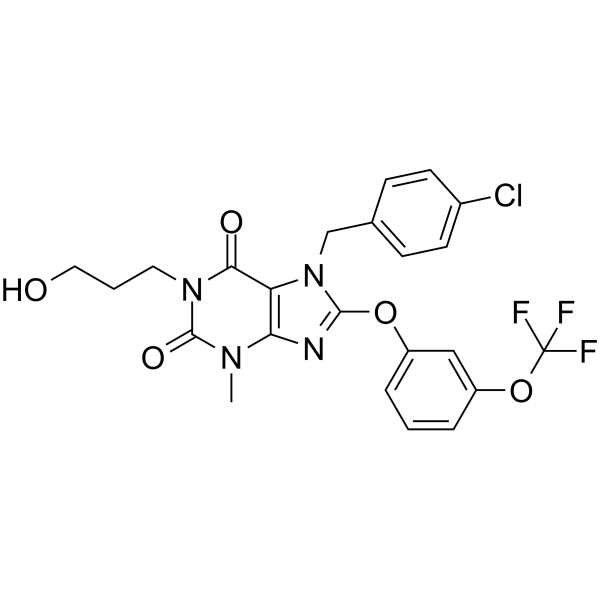
    GDC-0334 is a selective TRPA1 antagonist. GDC-0334 inhibits TRPA1 function on airway smooth muscle and sensory neurons by decreasing cough and allergic airway inflammation in rats and guinea pigs. GDC-0334 can be used for TRPA1-mediated diseases research, such as pain or asthma .
    GDC-0334
  • HY-124277

    TRP Channel Neurological Disease
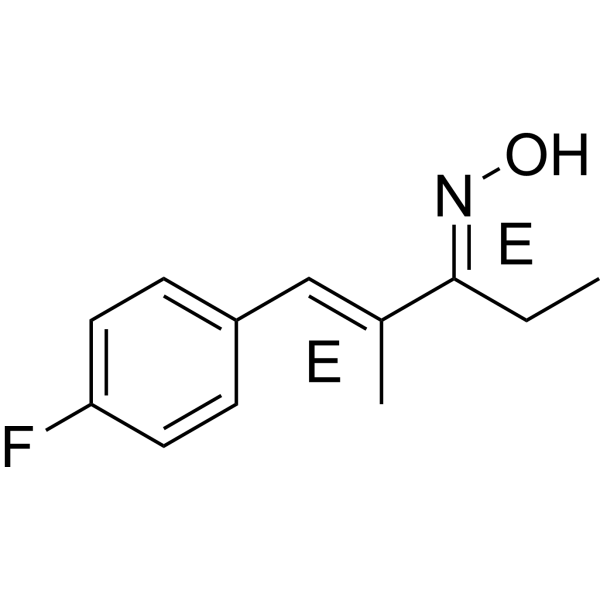
    ADM 12 is a highly selective transient receptor potential ankyrin 1 (TRPA1) channel antagonist. ADM 12 blocks nitroglycerin (NTG)-induced trigeminal hyperalgesia in animal models, reducing expression of pain-related genes (c-Fos, TRPA1) and neuropeptides (CGRP, SP). ADM_12 is promising for research of migraine and neuropathic pain .
    ADM 12
  • HY-W002116S

    TRP Channel COX Phosphatase Bacterial Infection Metabolic Disease Inflammation/Immunology Cancer
    Methyl syringate-d6 is the deuterium labeled Methyl syringate. Methyl syringate is a selective TRPA1 agonist. Methyl syringate regulates food intake and gastric emptying through a TRPA1-mediated pathway. Methyl syringate is an efficient phenolic mediator for bacterial and fungal laccases. Methyl syringate is a chemical marker of Asphodel monofloral honey. Methyl syringate contributes to the antibacterial activity of honey. Methyl syringate inhibits aflatoxin production. Methyl syringate can contribute to weight suppression. Methyl syringate can be studies for cancer prevention (e.g. lung cancer), suppression of hypoxia-induced inflammatory response and tumorigenesis .
    Methyl syringate-d6
  • HY-107535

    GPR119 TRP Channel Metabolic Disease
    AS1269574 is a potent, orally available GPR119 agonist, with an EC50 of 2.5 μM in HEK293 cells expressing human GPR119. AS1269574 activates TRPA1 cation channels to stimulate glucagon-like peptide-1 (GLP-1) secretion. AS1269574 specifically induces glucose-dependent insulin secretion from pancreatic β-cells only under high-glucose conditions. AS1269574 has the potential for the research of type 2 diabetes .
    AS1269574
  • HY-111494

    TRP Channel Neurological Disease
    TRPA1 Antagonist 1 is a methylene phosphate proagent which converts to its active parent agent, a TRPA1 antagonist with an IC50 of 8 nM.
    TRPA1 Antagonist 1
  • HY-N7965

    TRP Channel Neurological Disease
    Methyl kakuol shows agonistic activity against TRPA1 with an EC50 of 0.27 µM .
    Methyl kakuol
  • HY-P10356

    TRP Channel Others
    T100-Mut is a cell-permeable peptide whose N-terminus is conjugated with a myristoylated group to enable T100-Mut to penetrate and localize to the inner side of the plasma membrane, thus mimicking the topology of Tmem100-3Q. T100-Mut can alleviate TRPA1-mediated pain .
    T100-Mut

Inquiry Online

Your information is safe with us. * Required Fields.

Salutation


Country or Region *

Applicant Name *


Organization Name *

Department *


Email Address *


Product Name *

Cat. No.


Requested quantity *

Phone Number *


Remarks

Inquiry Online

Inquiry Information

Product Name:
Cat. No.:
Quantity:
MCE Japan Authorized Agent:

